Explore the Universe of Fair Trade Tea: Exceptional Brews That Champion Sustainable Practices
Fair Trade tea exemplifies a balanced marriage of quality and values. Each cup offers a unique flavor profile while nurturing ethical agricultural methods. This review approach not only betters the tea moment but also raises marginalized farmers. Acknowledging its heritage and certification processes unearths additional significance of importance. As consumers become more thoughtful about their options, the impact of Fair Trade tea goes beyond taste. What supports the veneer of these determinations?
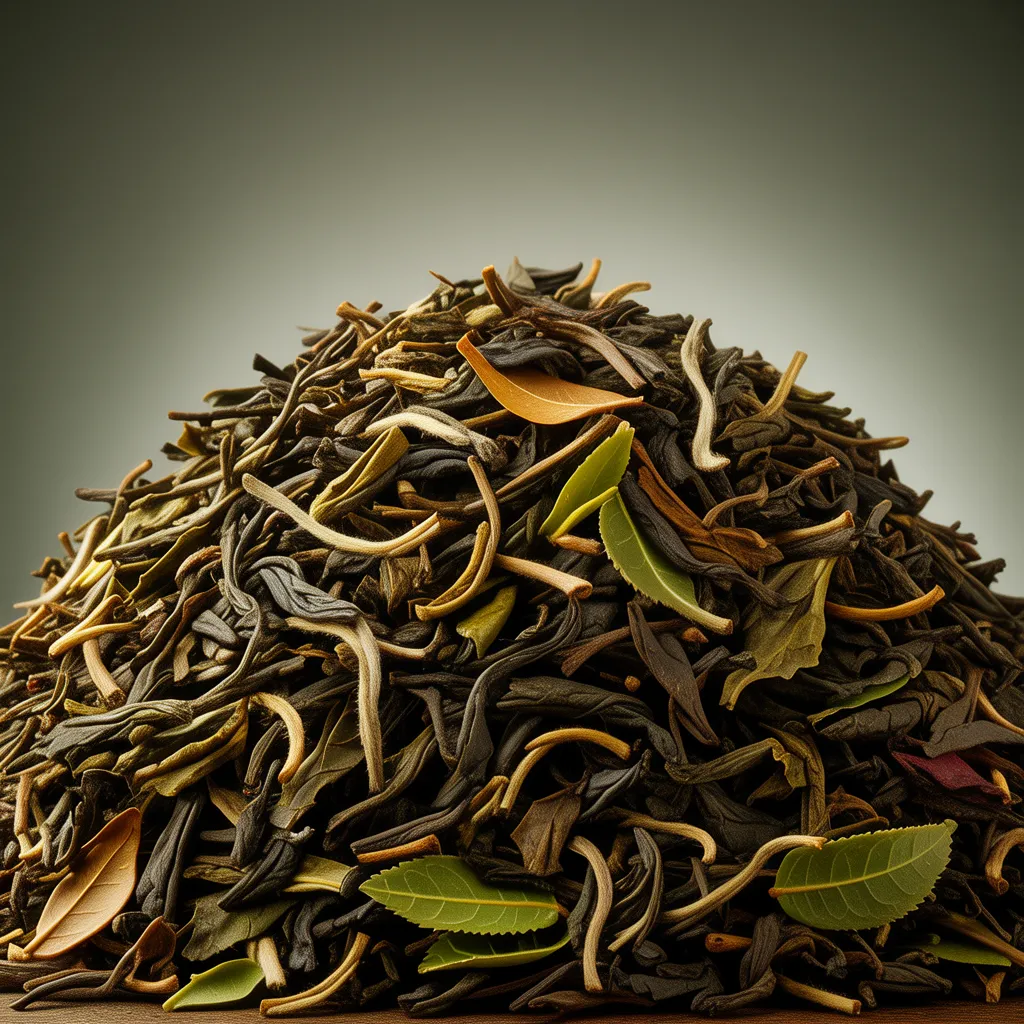
Discover the Roots of Fair Trade Tea
Fair Trade tea stems from the socioeconomic drives geared toward advancing the livelihoods of sidelined farmers. Taking shape in the closing years of the twentieth century, this project worked to tackle unfairness in global trade, especially in developing countries where tea is often grown. The campaign built momentum as consumers became more and more aware of the dire circumstances faced by grassroots growers, including inequitable prices and abuse by multinational companies.
By utilizing collaborative frameworks, Fair Trade sought to empower these farmers, guaranteeing they obtained fair payment and support for environmentally responsible agriculture. The movement also focused on advancing ecological stewardship, encouraging organic farming and biodiversity. As knowledge grew, Fair Trade tea became a representation of ethical consumption, connecting consumers directly with the origins of their beverages. By selecting Fair Trade tea, individuals add to a larger vision of social justice and economic equity, creating a more sustainable future for tea-growing communities.
Learn about ethical trade standards for sustainable practices
Grasping Fair Trade certification is fundamental to recognizing how sustainable practices are sustained within the tea industry. This certification promises that producers receive fair wages and work under safe conditions, which directly helps community development. Fair Trade standards support environmentally sustainable farming methods, reducing the use of harmful chemicals and encouraging biodiversity.
Certification further fosters clarity in the supply chain, allowing customers to track their tea back to its source. By adhering to these standards, farms undertake practices that protect natural resources and sustain local ecosystems. Additionally, Fair Trade groups often provide educational resources and training to farmers, enabling them to enhance their farming techniques and financial security.
Ultimately, Fair Trade certification not only improves the standard of tea but also aligns purchasing decisions with moral and sustainable values, making it an essential aspect of the tea industry's dedication to social responsibility and ecological preservation.
Investigate Premium Varieties of Fair Trade Tea
While many tea connoisseurs value the intense notes and scents of various brews, uncovering the top kinds of Fair Trade tea unveils a more substantial pledge to moral sourcing and green practices. Some popular options feature Fair Trade Assam, praised for its assertive, grain-like flavor, and Fair Trade Darjeeling, often referred to as the "Champagne of teas" for its gentle aromatic qualities. Another standout variety is Fair Trade Earl Grey, steeped with bergamot, supplying a unique citrus twist.
Moreover, Fair Trade Green Tea, celebrated for its energizing qualities and health benefits, is increasingly favored among health-conscious consumers. Herbal blends, such as Fair Trade Chamomile and Peppermint, also stand out, supplying soothing and calming effects. Each of these varieties not only delivers exceptional flavor but also supports farmers and communities working for better livelihoods, making them a responsible choice for tea lovers seeking quality and ethical assurance.
Brewing Fair Trade Tea: Advice for an Excellent Cup
To make the ultimate cup of Fair Trade tea, focus is vital, since the best practices can boost the tea's individual notes and smells. Initially, the quality of water is fundamental; using filtered water ensures a clean taste that allows the tea's characteristics to be highlighted. The water temperature is also essential; various tea types need specific temperatures; boiling is used for black tea and a lower temperature works for green or herbal tea types.
Subsequently, the steeping time must be strictly observed. Excessive steeping can lead to bitterness, while insufficient steeping may not draw out the complete flavor spectrum. A general guideline is 3-5 minutes for black tea and 2-3 minutes for green tea.
Finally, utilizing the correct tea-to-water ratio enhances the flavor; one teaspoon of loose tea per cup is a solid foundation. By adhering to these tips, tea lovers can fully appreciate the rich offerings of Fair Trade tea.
Environmental Perks of Fair Trade Tea
Brewing Fair Trade tea not only enhances the tea experience but also supports sustainable agricultural practices that benefit the environment. Fair Trade accreditation motivates farmers to use organic farming methods, which reduce the reliance on damaging chemicals and synthetic inputs. This approach fosters species diversity, helping to preserve local habitats and safeguard animal sanctuaries.
Additionally, Fair Trade methods often emphasize soil health and water conservation, ensuring that tea cultivation does not drain essential resources. By assisting small-scale farmers, Fair Trade also cultivates agroforestry, which combines tea cultivation with other crops and trees, further bolstering environmental resilience.
Additionally, Fair Trade tea often contains environmentally responsible packaging and delivery systems, lowering the greenhouse gas emissions tied to its delivery. In summary, choosing Fair Trade tea represents a deliberate commitment to foster a increasingly eco-friendly agricultural system that honors both the planet and its inhabitants.

The Way Your Tea Choice Boosts Communities Worldwide
Selecting Fair Trade tea empowers worldwide societies by offering farmers with fair wages and improved labor standards. This commitment guarantees that tea producers can maintain their livelihoods while investing in their families and local economies. By buying Fair Trade tea, shoppers add to the development of essential community services, such as education and medical services.
Fair Trade certification promotes responsible conduct, requiring companies to adhere to standards that prioritize workers' rights and environmental sustainability. As a result, farmers are motivated to grow high-quality tea, which not just improves their income but also fosters pride in their work.
Additionally, the straight trade partnerships established through Fair Trade eliminate exploitative middlemen, allowing farmers to interact with consumers worldwide. This clarity fosters trust and inspires a global appreciation for the cultural significance of tea. Ultimately, each cup of Fair Trade tea functions as a reminder of the constructive influence individuals can have on international societies through deliberate shopping.
Frequently Asked Questions
How Can I Identify Fair Trade Tea Items in Stores?
To locate sustainably produced tea options in stores, one should look for certification labels, such as Fair Trade Certified or Rainforest Alliance. Additionally, exploring brands focused on ethical sourcing can enable purchasing responsibly.
What Medical Advantages Are Linked to Fair Trade Tea?
Fair trade tea may offer various health benefits, such as antioxidants that promote heart health, better digestive function, and increased mental sharpness. Additionally, responsible sourcing methods promote environmentally conscious farming, ultimately benefiting a more sustainable ecosystem and improved community welfare.
Do I Source Fair Trade Tea Available in Digital Shopping Platforms?
Yes, fair trade tea is commonly found in e-commerce sites. Numerous retailers present a extensive array of selections, confirming shoppers can readily purchase ethically sourced options that champion both sustainability and worker rights.
What Role Does Fair Trade Tea Play in Regional Economic Growth?
Fair trade tea benefits local economies by offering farmers equitable compensation, fostering community development, and promoting environmentally responsible agriculture. This support enhances livelihoods, promotes economic stability, and empowers communities to allocate resources toward education and healthcare.
What Approaches Should I Utilize to Preserve Fair Trade Tea for Peak Freshness?
To increase quality, fair trade tea should be kept in an airtight container, away from light, humidity, and strong odors. Storing it in a cool, dark place helps maintain its flavor and aroma over time.
Comments on “Discover certified fair trade tea for responsibly produced tea from sustainable farms”